Culture Before Training

Culture Before Training

How dealership training becomes effective when shared language, leadership behavior, and operating discipline make the work visible, teachable, inspectable, and repeatable.

Training does not become effective just because a workbook exists. It becomes effective when the culture, language, leadership expectations, and daily operating rhythm support the behavior being taught.

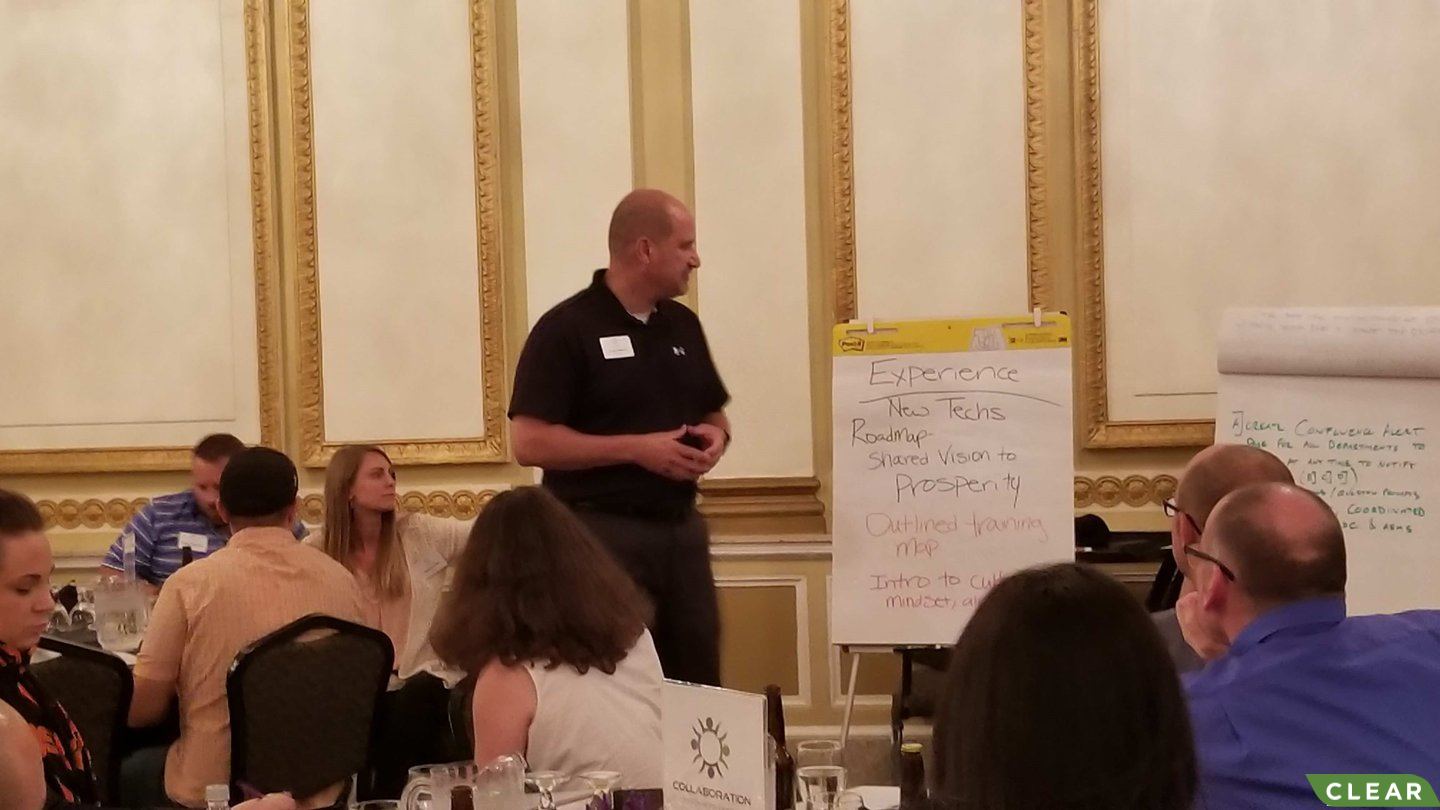
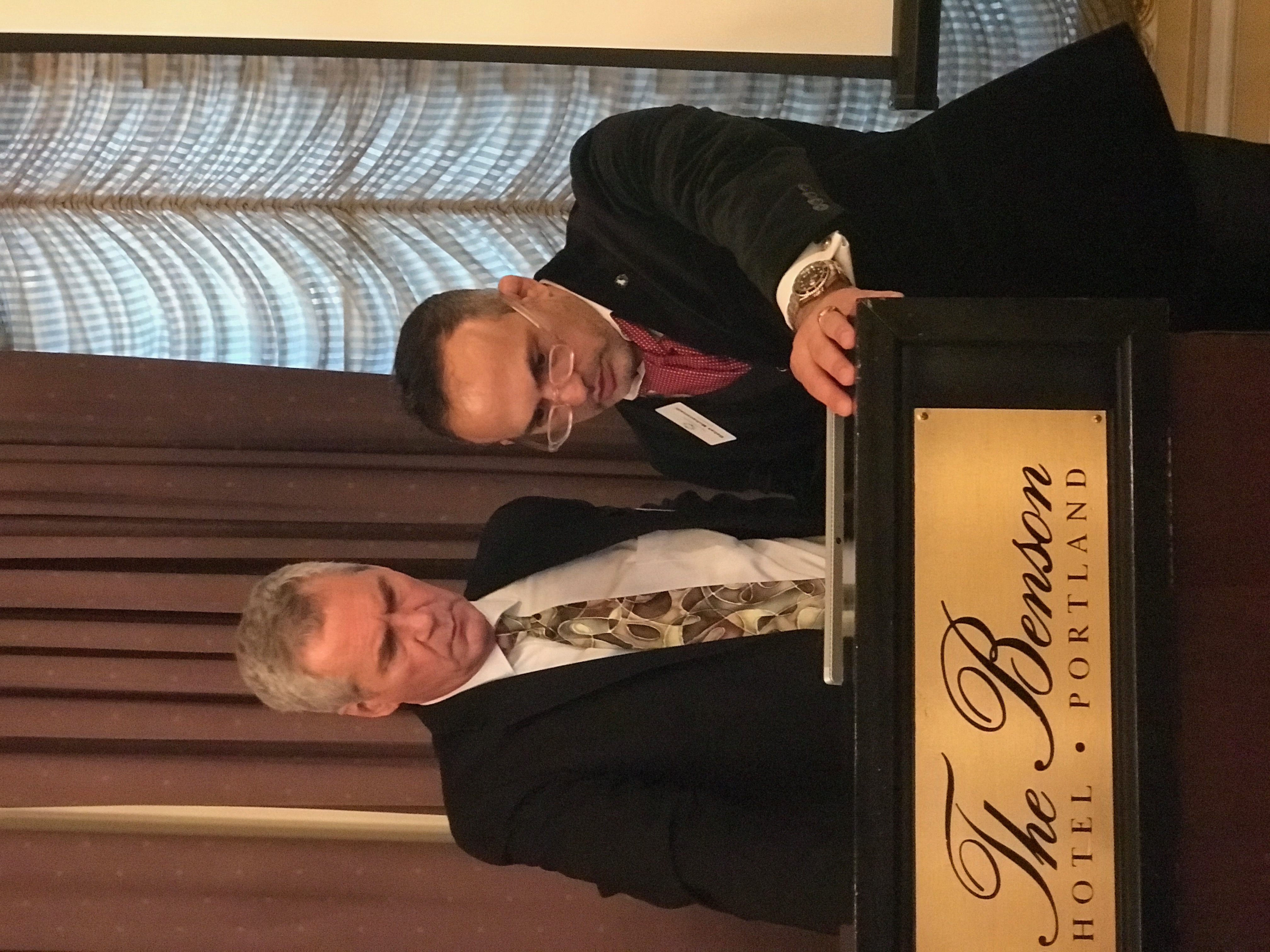
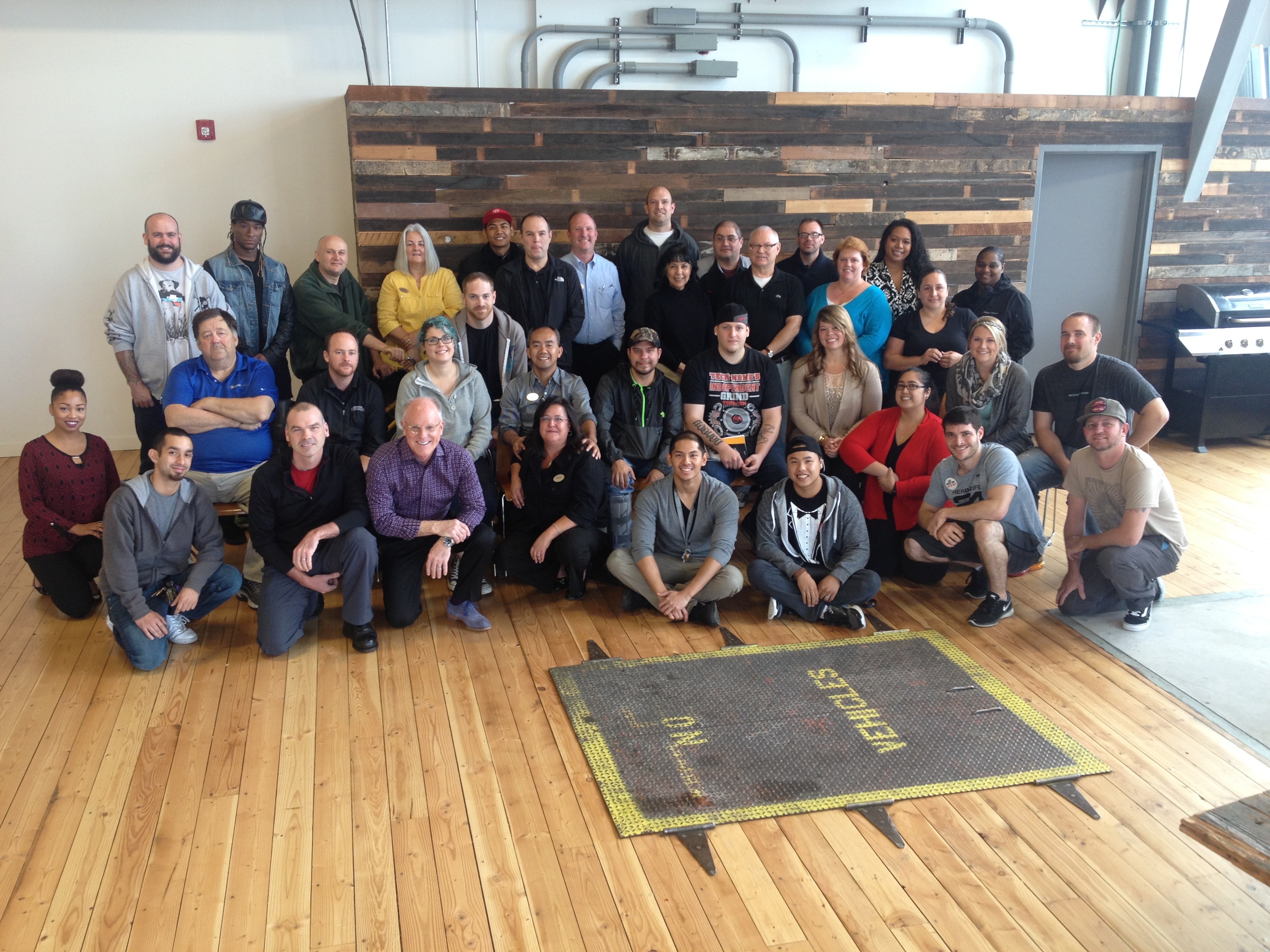
Leadership workshop facilitation at the Benson Hotel in Portland
Leadership workshop facilitation — turning customer experience into coachable, inspectable operating standards.

Proof of Work

How We Did It Before

This is not a new theory. This is how I have approached dealership training for years: align the culture first, define the customer experience, create shared leadership language, then build the training and tools around that standard.

Beaverton Toyota

Best In Town Total Ownership Experience Workshop

A collaboration-focused leadership workshop built around guest expectations, experience design, trust, and shared operating language.

  • 01
    Defining the customer experience standard

    Clarified what the guest should feel across the full dealership relationship, from first impression through ownership.

  • 02
    Creating shared leadership language

    Aligned managers around common words, expectations, and behaviors so training could be coached consistently.

  • 03
    Making the experience inspectable

    Connected sales, finance, service, parts, delivery, CRM, and follow-up into one operating system managers could inspect and improve.

The goal was to turn customer experience from a belief into a visible, coachable leadership discipline.
Toyota & Honda of Seattle

Apple-Inspired Customer Experience Transformation

A customer-experience redesign focused on simplifying the buying path, reducing friction, building transparency, and developing consultant-style behavior.

  • 01
    Simplifying the buying experience

    Reduced friction, confusion, and unnecessary steps so customers felt guided instead of pushed through a dealership process.

  • 02
    Building transparency and confidence

    Made pricing, options, next steps, and expectations easier to understand so customers could make decisions with confidence.

  • 03
    Developing consultant-style behavior

    Moved the team away from transactional pressure and toward listening, guiding, presenting options clearly, and supporting no-pressure decision-making.

The goal was to create a modern retail experience where customers felt informed, respected, and confident in the decision.

The point was the same in both environments: training becomes more effective when the team first understands the culture, the standard, and the experience we are trying to create.

The Operating Principle

Shared language comes before the training

Before training a team on word tracks, CRM steps, opportunity recovery, service communication, or sales process, the leadership team first needs a shared operating language. Without that language, every department interprets the customer experience differently, every manager coaches a different way, and every salesperson defends a different process.

Define the standard. Make the work visible. Coach around what we can see.

Workshop Outputs Made Visible

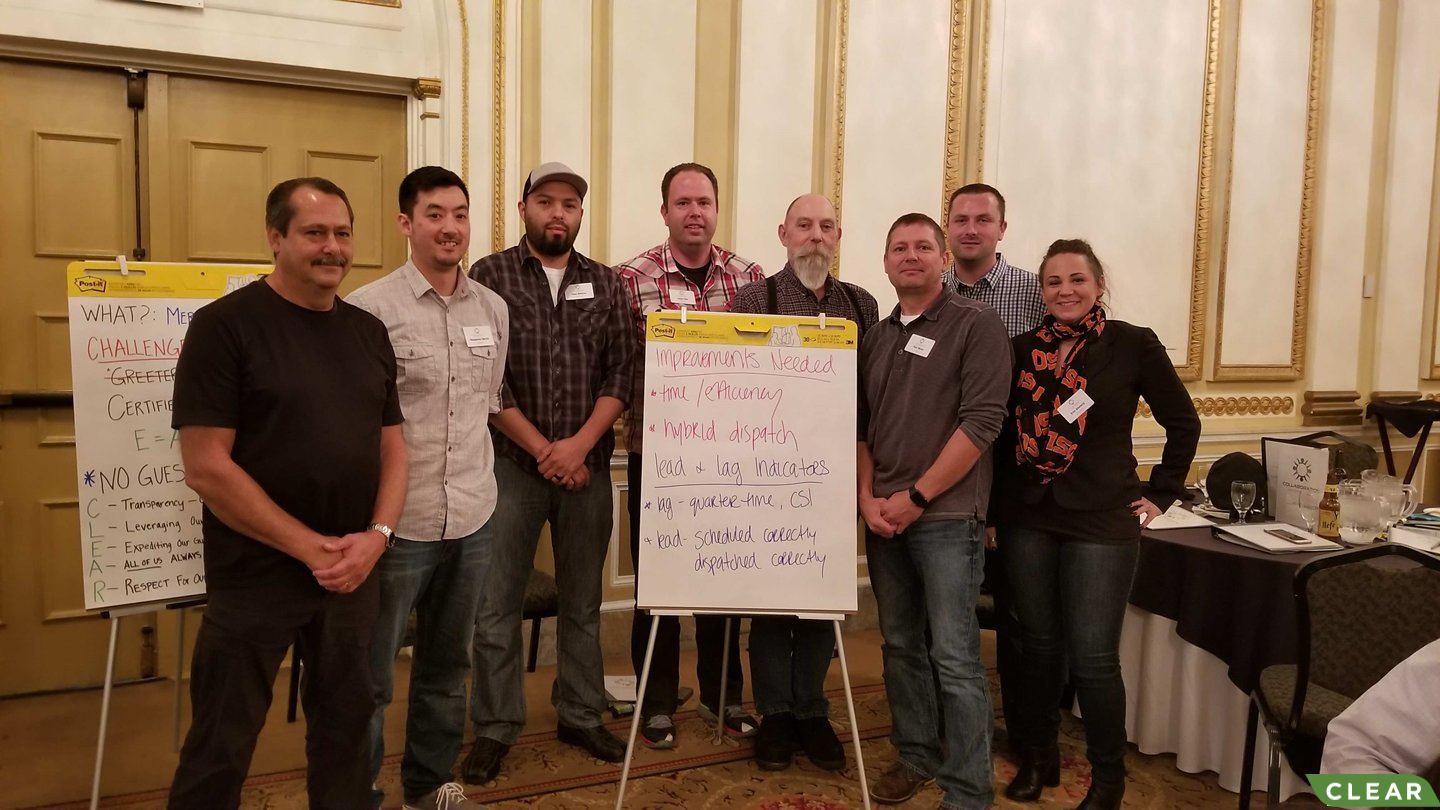
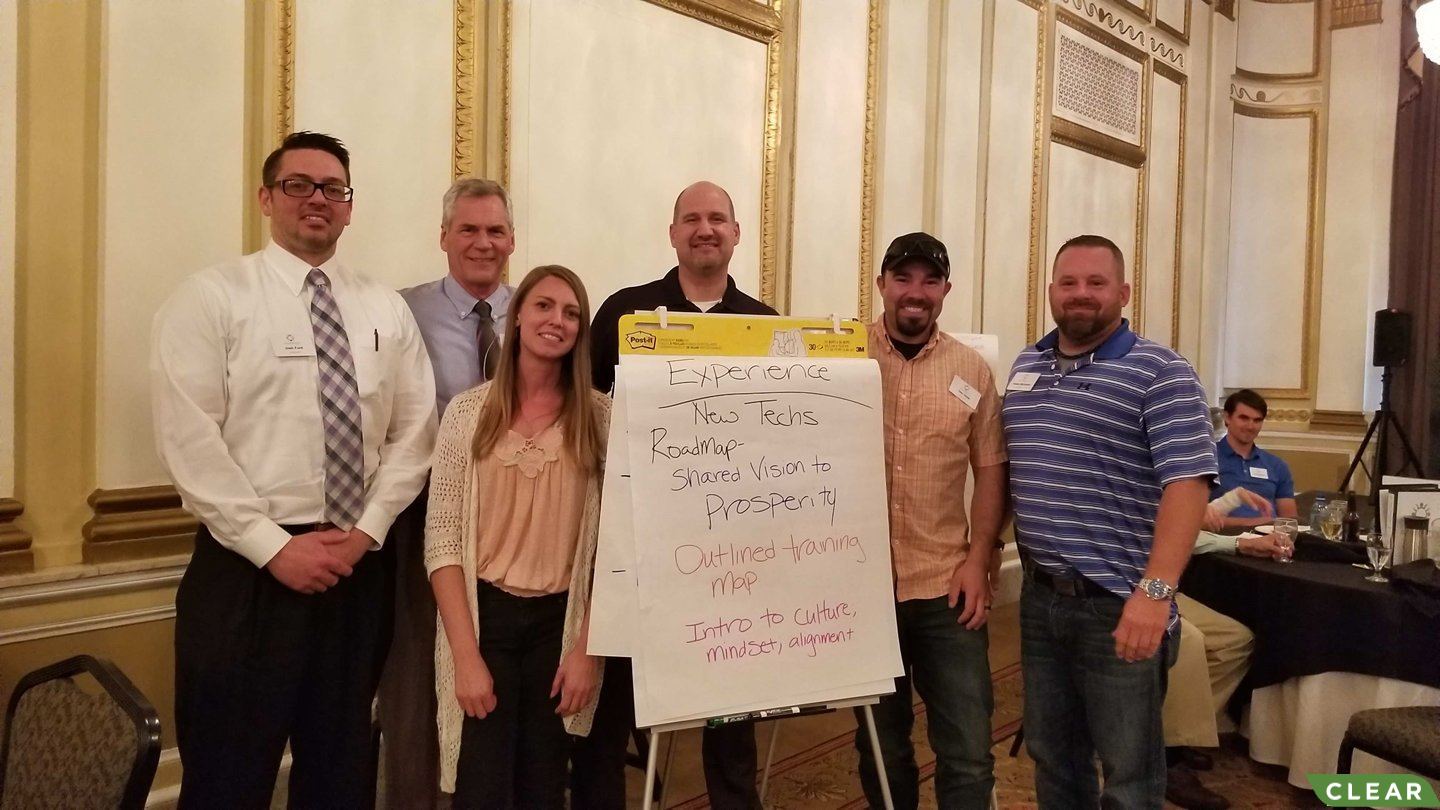
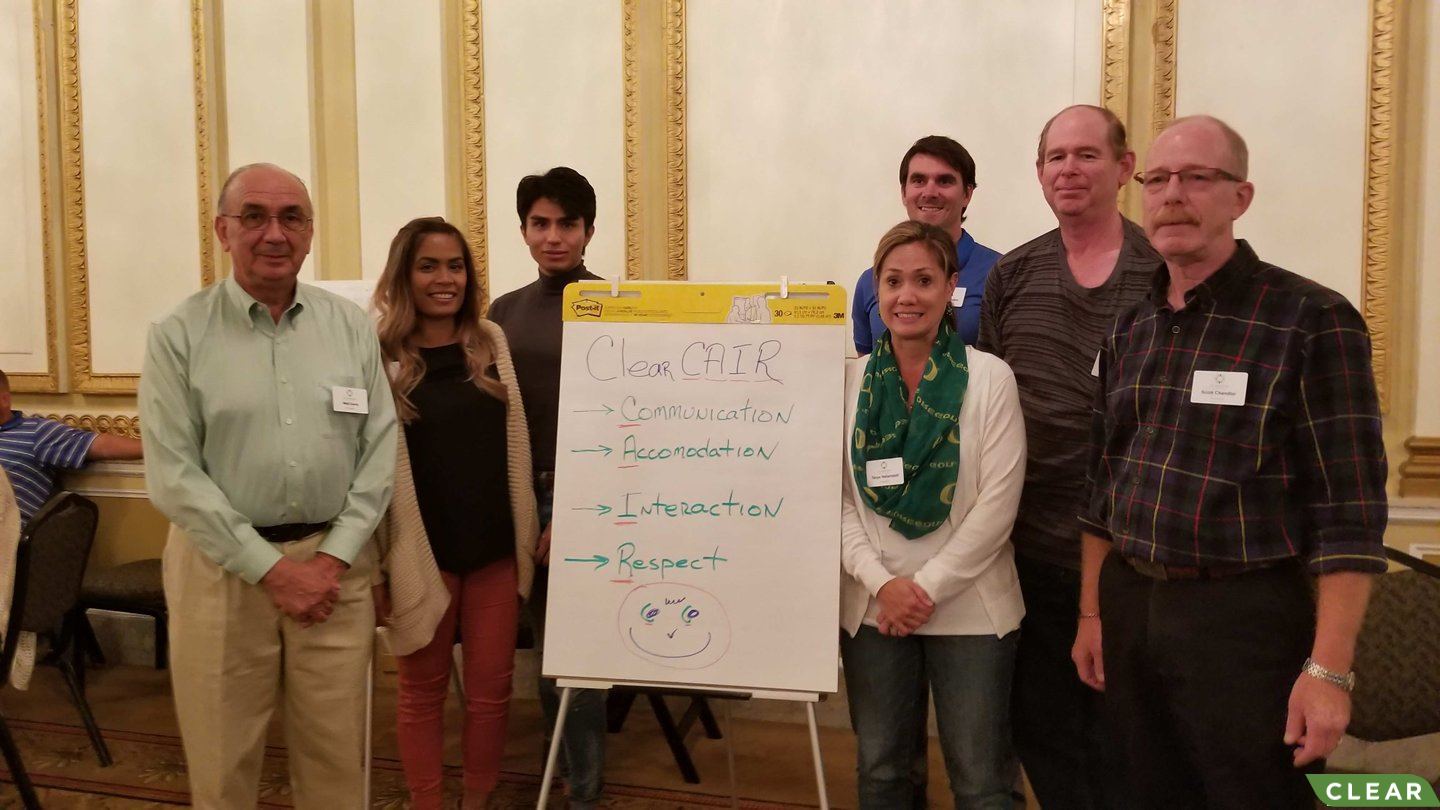
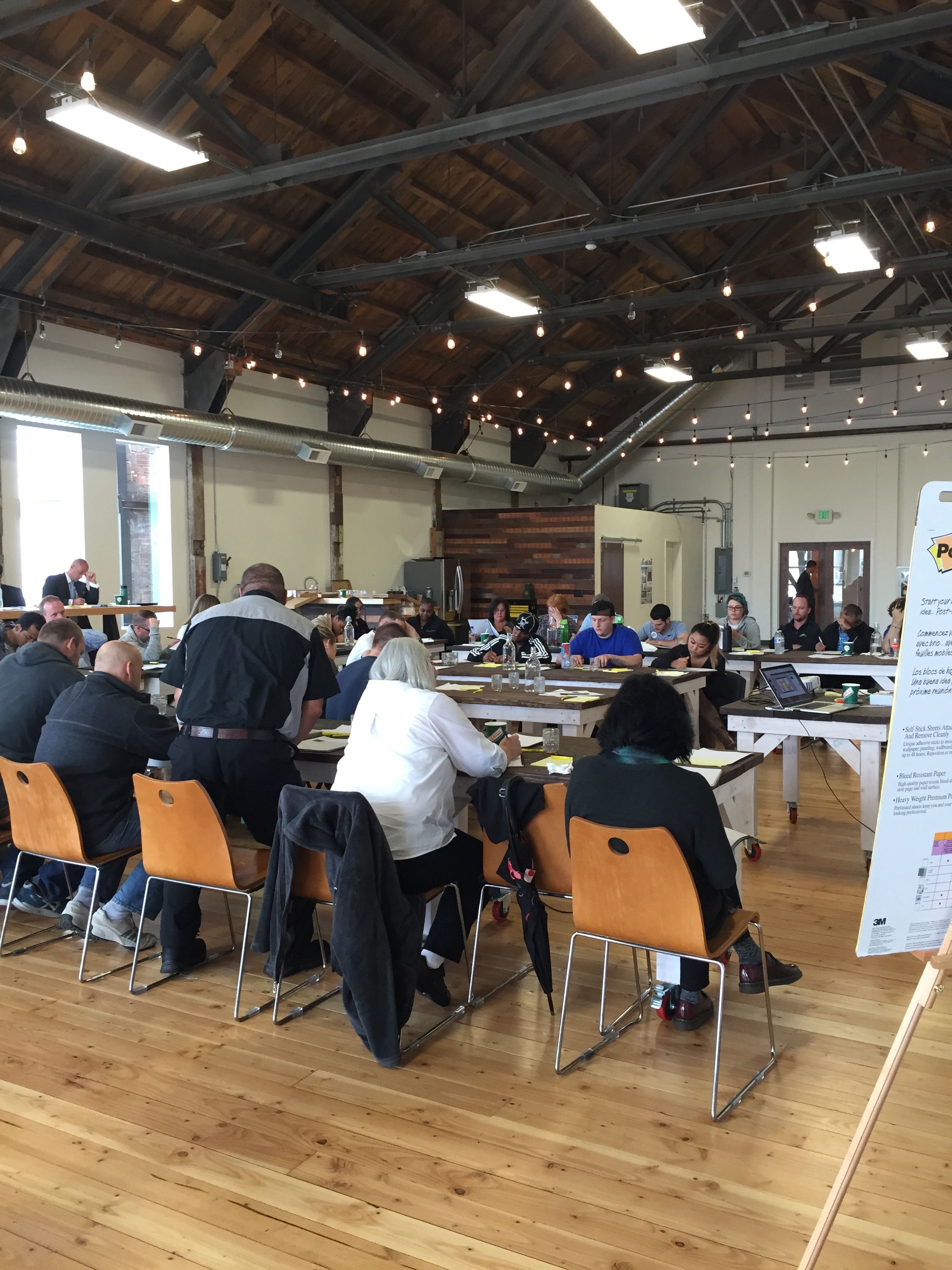
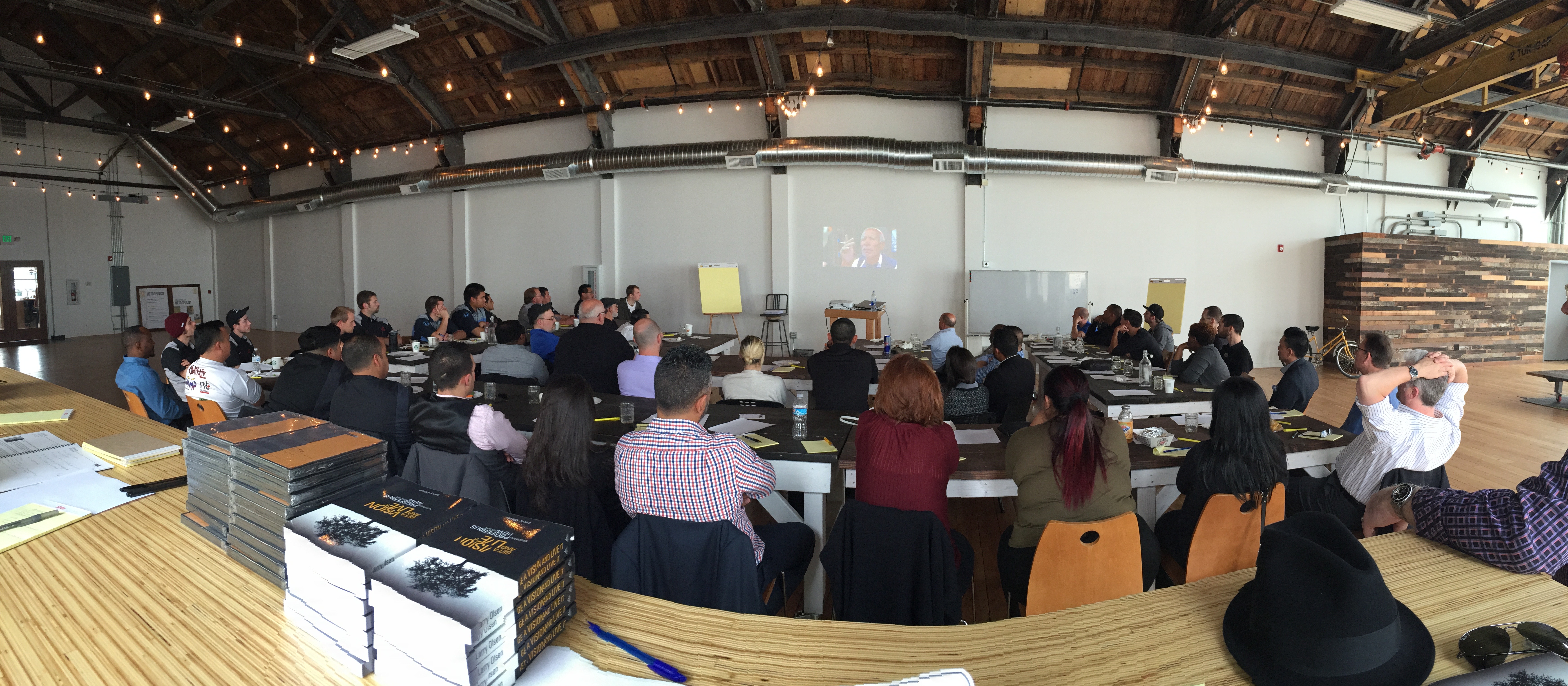
These sessions turned culture, customer experience, and process discipline into visible team outputs — the kind of work managers can inspect, coach, and repeat.

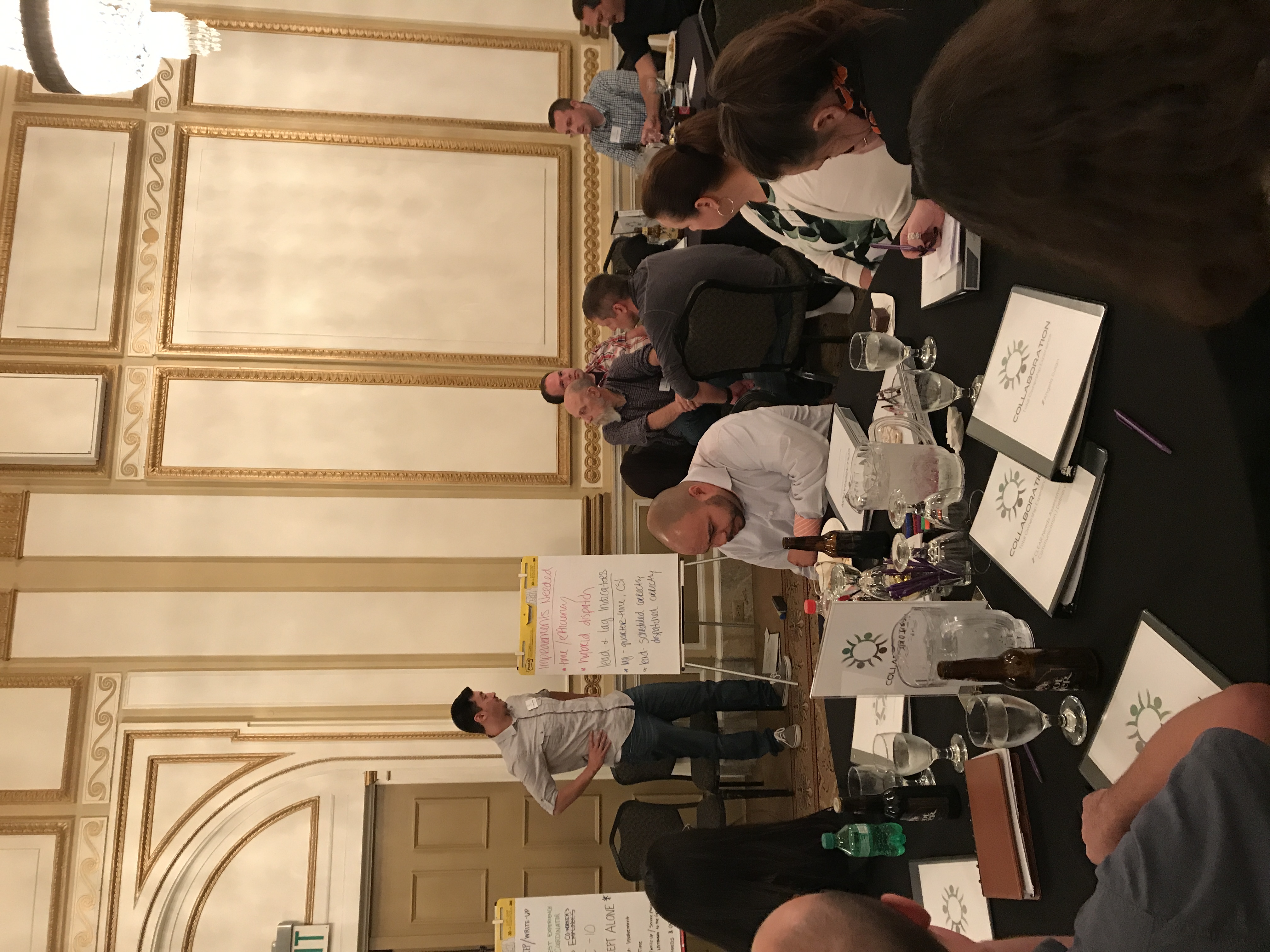
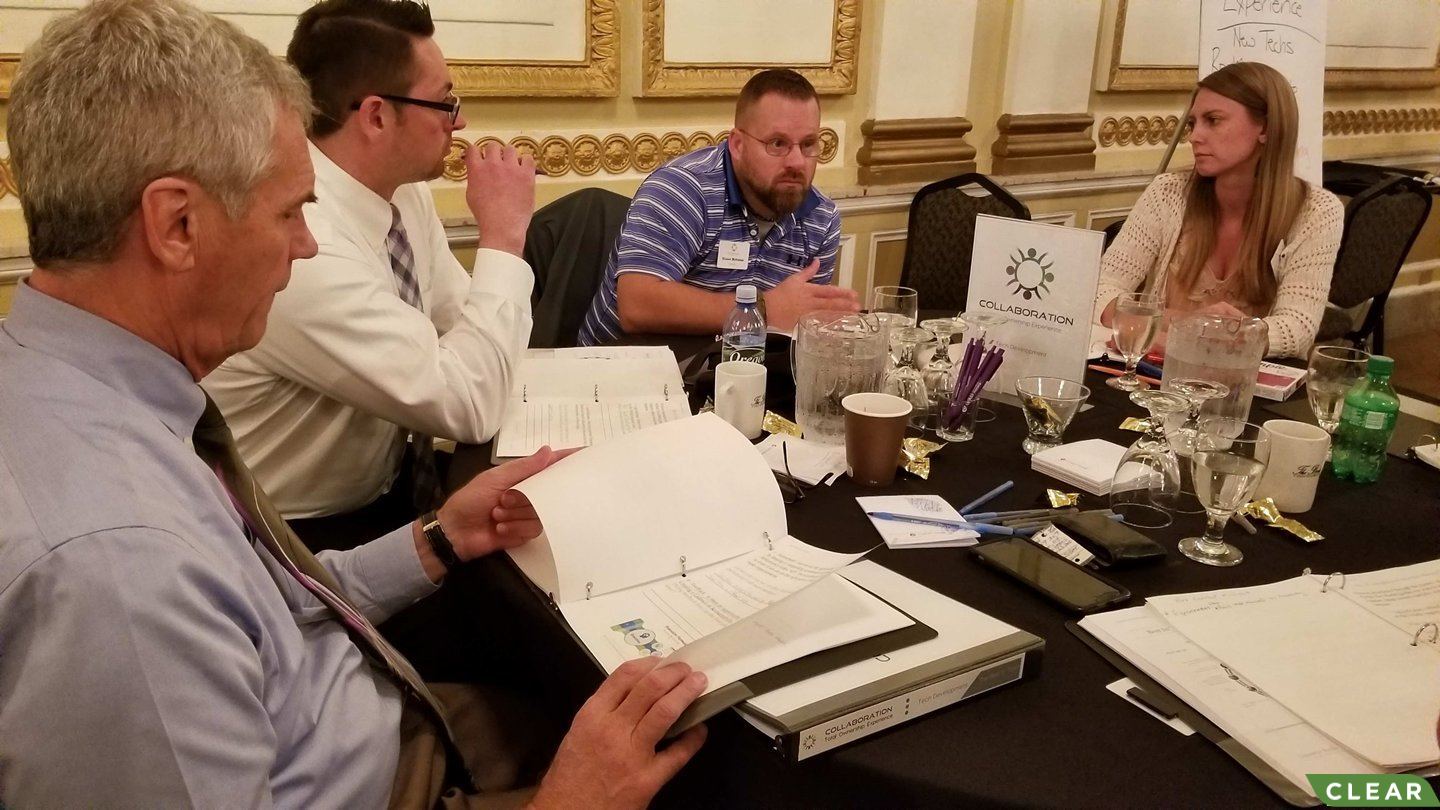
Leadership team posing with a workshop flip chart capturing their breakout outputs
Experience roadmap work — connecting new technology, shared vision, and training alignment.
Leadership team posing with a workshop flip chart capturing their breakout outputs
Operational improvement planning — identifying the lead and lag indicators managers need to inspect.
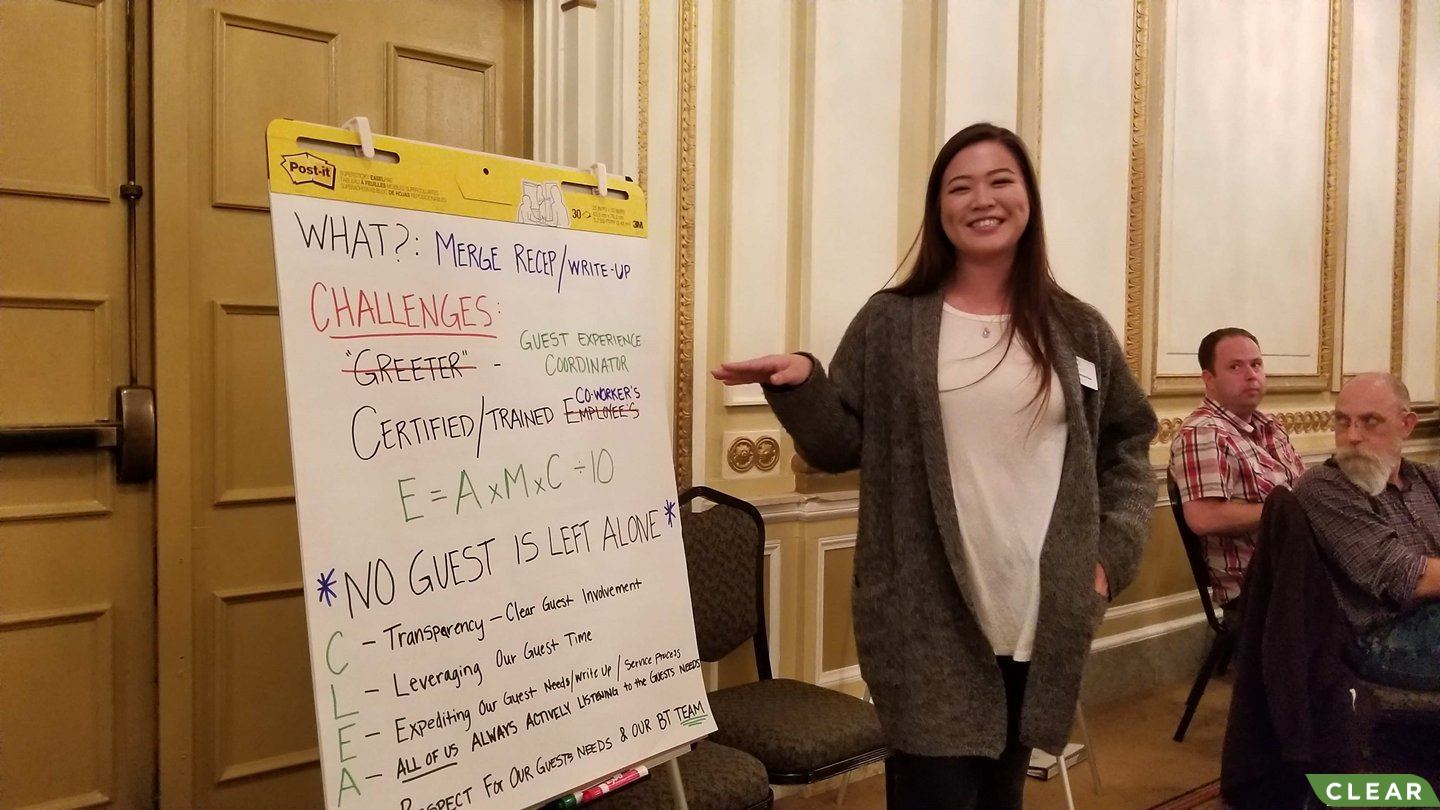
Leadership team posing with a CLEAR behavior-language flip chart
CLEAR behavior language — communication, accommodation, interaction, and respect made visible.
Team member presenting workshop outputs to the room with a flip chart of CLEAR principles
Team presentation moment — turning workshop discussion into shared standards and next actions.

The Three-Layer Model

Culture, process, and tools — in that order.

Each layer reinforces the one above it. Skipping straight to tools is what makes most dealership training feel disposable.

Culture First

Shared purpose and leadership behavior

Shared purpose, leadership behavior, customer promises, and operating expectations that define how the dealership treats every guest.

Process Second

Standards teams can execute

Sales, service, CRM, opportunity recovery, follow-up, handoffs, and manager inspection routines that turn the culture into daily standards.

Tools Third

Visibility that supports execution

Workbooks, facilitator guides, dashboards, applications, and reporting that make execution visible so managers can coach.

The Culture Layer

Ownership Experience as the Culture Layer

The Ownership Experience is the culture layer. It defines what the customer should feel, what managers should inspect, and how the dealership protects the relationship across sales, finance, service, parts, delivery, and follow-up.

The guest does not experience departments separately. The guest experiences one dealership.

The Ownership Experience anchors leadership behavior to four customer promises that every department shares:

  • Get the customer all the information.
  • Ensure the vehicle is right.
  • Allow the customer to make the decision.
  • Work on the customer’s time frame.

Those promises become the standard. Daily operating routines make the standard visible. Coaching happens around what managers can see. Repeating the loop is what makes the experience repeatable across stores.

Read the full Total Ownership Experience concept guide →

Standard

Define the promise

Four shared customer promises that every department signs up to deliver.

Visibility

Make the work seeable

Daily routines, reporting, and rhythm that put the work in front of managers.

Coaching

Coach what you can see

Managers coach around visible work — not opinions, not vibes.

Repeatability

Compound the result

Repeating the loop is what makes the experience consistent store to store.

Where Culture Becomes Execution

Opportunity Recovery System as the Execution Layer

The Opportunity Recovery System is one example of how a culture-first training approach becomes practical, trainable, and inspectable. It turns customer promises into manager behavior: identifying stalled opportunities, protecting follow-up, coaching the next-best conversation, and creating accountability around visible work.

Opportunity Recovery Curriculum

A trainer-ready program built around culture-first execution, manager visibility, and customer follow-through.

  • Opportunity Recovery Mastery Guide
  • Opportunity Recovery Trainer Curriculum
  • Eight Facilitator Guides
  • Eight Learner Workbooks

Closing Takeaway

Training Is Not an Event. It Is an Operating System.

The goal is not to hand people a script and hope behavior changes. The goal is to build the culture, process, tools, and leadership rhythm that make the desired behavior visible, teachable, inspectable, and repeatable.

View the Ownership Experience Concept Guide